
Every MMO you love started as someone's idea
This is where you start yours: what the jobs really are, the ways in without a degree, how people actually make a living, and a first game you can finish. All free.
- Open opportunities
- 0
- Funding programs
- 14
- Open to collaborate
- 0
- Game Dev guides
- 8
Your first game
Six stepsFrom "I want to make games" to something people can play. Each step pays 10 VOID, and finishing makes you an Apprentice Dev.
- Read Start HereYou're here, so this one's done. Not done yet.
- Pick a learning pathStart any path and finish its first lesson. Not done yet.
- Post a work in progressShare something unfinished: a sketch, a blockout, a first build. Not done yet.
- Get a critiqueSomeone pins a note on one of your posts. Ask for one in Questions or a challenge. Not done yet.
- Enter a challengeJoin a Dev challenge with one of your posts. Not done yet.
- Share something playableAdd a link to a game you made (itch.io, Steam, Game Jolt, Roblox, Fortnite...) to your portfolio. Not done yet.
The jobs in game development
Twelve roles that make an MMO. Open one for a day of it, the skills, the tools and the first portfolio piece to make.
Game designer (systems)Designs the rules: combat, classes, progression, crafting, and the numbers that make it all feel fair.
- A day of it
- Writes design docs, builds rough prototypes, tunes spreadsheets of stats, and watches playtests to see where players get stuck or bored.
- Skills
- Clear writing, spreadsheets and everyday math, prototyping, and playing a lot of games with a critical eye.
- Tools
- Spreadsheets, a game engine (Unity, Unreal or Godot), flowcharts
- Make this first
- A one-page design for a crafting or combat system, plus a small playable prototype that tests it.
Level designerBuilds the places players move through: dungeons, cities, battlegrounds and raid arenas.
- A day of it
- Blocks out spaces with simple shapes, plays them over and over, adjusts sight lines, pacing and difficulty, then hands them to the artists.
- Skills
- Spatial thinking, pacing, readable layouts, scripting encounters.
- Tools
- Unreal and Unity editors, Roblox Studio, Fortnite's UEFN, mod tools
- Make this first
- One finished map built with real level tools (a mod, a Roblox experience or a Fortnite island) and a short note on what you changed after playtests.
Narrative designerWrites the quests, characters and lore, and makes sure the story works as something you play, not just something you read.
- A day of it
- Drafts quest lines and dialogue, writes item and ability text, and works with designers on how each quest plays out.
- Skills
- Writing short and clear, structure, branching choices, editing your own work hard.
- Tools
- Twine, Ink, a word processor, the engine's dialogue tools
- Make this first
- A short branching quest in Twine or Ink that someone can play in ten minutes.
Economy and live ops designerDesigns currencies, drop rates, the cash shop, battle passes and events: where free-to-play games live or die.
- A day of it
- Models how currency flows into and out of the game, plans what's sold and when, runs events, and reads the numbers after every change.
- Skills
- Spreadsheets, statistics, player psychology, and a strong sense of what feels fair to players.
- Tools
- Spreadsheets, SQL, analytics dashboards
- Make this first
- A spreadsheet model of an MMO's gold economy (where gold comes from and where it leaves) with a page on how you'd keep prices from inflating.
Gameplay programmerTurns designs into code: movement, abilities, enemy AI, menus and networking.
- A day of it
- Builds features, fixes bugs, profiles slow code, and works out with designers what can actually be built in time.
- Skills
- A programming language, problem solving, math for movement and cameras, reading other people's code.
- Tools
- C++ with Unreal, C# with Unity, GDScript with Godot, Luau with Roblox
- Make this first
- A small game you finished, with its source code on GitHub and a short readme.
3D or 2D artistMakes the characters, creatures, environments, props and interface art.
- A day of it
- Sculpts, models, textures or paints assets to a style guide, then gets them working in the engine within its limits.
- Skills
- Drawing or sculpting fundamentals, form and color, working to a budget of polygons and texture sizes.
- Tools
- Blender, Maya, ZBrush, Substance, Photoshop, Krita, Aseprite
- Make this first
- One finished game-ready asset shown in an engine, with its wireframe and textures.
Animator or VFX artistBrings things to life: walk cycles, attacks, spell effects, explosions.
- A day of it
- Rigs and animates characters, or builds particle effects and shaders, and tunes them until hits feel heavy and spells feel powerful.
- Skills
- Timing and weight, anatomy, a feel for what reads on screen at a glance.
- Tools
- Blender, Maya, Unreal's Niagara, Unity's VFX Graph, Houdini
- Make this first
- A walk cycle and an attack on a rigged character, or one spell effect running in an engine.
UI and UX designerDesigns the menus, inventory, maps and HUD so players always know what's going on.
- A day of it
- Wireframes screens, mocks them up, builds them in the engine, and watches testers to find what confuses them.
- Skills
- Layout, typography, iconography, and empathy for confused players.
- Tools
- Figma, Photoshop, the engine's UI tools
- Make this first
- A redesign of a real MMO's inventory or crafting screen, with before-and-after and the reasons.
Sound designer or composerMakes everything you hear: footsteps, spells, ambience and music.
- A day of it
- Records and builds sounds, writes music, and hooks it all into the game so it reacts to what's happening.
- Skills
- Recording and editing, music or sound design, and how sound works in a game engine.
- Tools
- A DAW (Reaper, Ableton, FL Studio), Wwise, FMOD
- Make this first
- Replace all the sound in a 60-second gameplay clip with your own.
ProducerKeeps the team shipping: schedules, scope, priorities, and clearing whatever blocks people.
- A day of it
- Plans sprints, tracks what's late, cuts scope when it must be cut, and keeps everyone talking to each other.
- Skills
- Organization, communication, saying no kindly, knowing a bit of every discipline.
- Tools
- Jira, Trello, Notion, HacknPlan
- Make this first
- Lead a game jam team to a finished game on itch.io and write a short postmortem.
QA testerFinds the bugs before players do and reports them so they can be fixed. A common first job in the industry.
- A day of it
- Plays builds again and again, tries to break things on purpose, and writes clear bug reports with steps to reproduce.
- Skills
- Patience, attention to detail, clear writing.
- Tools
- Bug trackers like Jira, spreadsheets, screen capture
- Make this first
- Bug reports for an early access game's public tracker or Discord, written so a developer can reproduce each one.
Community managerThe game's voice: runs the Discord and social accounts, explains updates, and brings player feedback back to the team.
- A day of it
- Answers players, plans events, writes patch notes and posts, and keeps a pulse on what the community feels.
- Skills
- Writing, calm under pressure, moderation, knowing the game inside out.
- Tools
- Discord, social media tools, analytics
- Make this first
- Run a game's, guild's or server's Discord, with events you organized and numbers you grew.
Ways in
No degree required. These are the doors people actually walk through.
Game jams
Make a whole game in a weekend, often with strangers. It's the fastest way to finish something, and finishing is the skill studios look for.
Find a jam →Mods and maps
Many level designers started by modding. Roblox, Fortnite's UEFN, Minecraft and plenty of PC games hand you real tools for free.
Level design posts →Community servers
Freeshards and private servers run on volunteer GMs, scripters and builders. You learn on a live game with real players.
Free servers →QA and community jobs
Testing and community roles are real first jobs in the industry, and plenty of designers and producers started there.
Jobs and gigs →Courses and school
A degree helps at some studios, but a portfolio of finished work matters most everywhere.
Tools and courses →How to get into game design → Start with a mod or community server →
Ways to make a living
Most people mix a few of these, especially early on.
Sell your own game
Put it on Steam, itch.io, the Epic Games Store or consoles. The store keeps a share of each sale.
Free to play
Give the game away and earn from cosmetics, battle passes, subscriptions or convenience items. It's how most MMOs run.
Creator platforms
Build inside Roblox, Fortnite or Minecraft and earn from their payout programs, with their audience already there.
Asset stores
Sell models, tools, sounds and templates to other developers on Fab, the Unity Asset Store or itch.io.
Contract and freelance work
Work for studios project by project: art, code, audio, QA, writing or community.
Grants and funds
Free money (grants) or investment (funds) from governments, foundations and companies that want more games made.
Publishers
A publisher pays for development and marketing in exchange for a share of what the game earns.
Crowdfunding and early access
Players back you on Kickstarter or buy in early on Steam, and fund the rest of development.
How to make money making games → Grants, funds and programs → Designing F2P players don't hate →
Game Dev guides
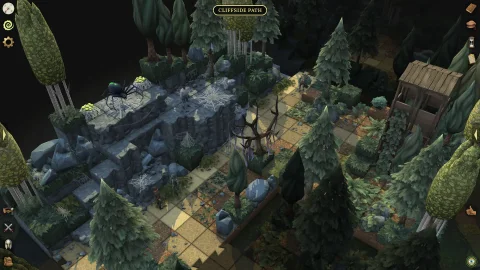 Back to the Drawing Board: How RuneScape's Co-Creator Made Brighter Shores
Andrew Gower left Jagex in 2010, built his own engine, and spent eight years on a new MMO. How they made it.
Back to the Drawing Board: How RuneScape's Co-Creator Made Brighter Shores
Andrew Gower left Jagex in 2010, built his own engine, and spent eight years on a new MMO. How they made it.
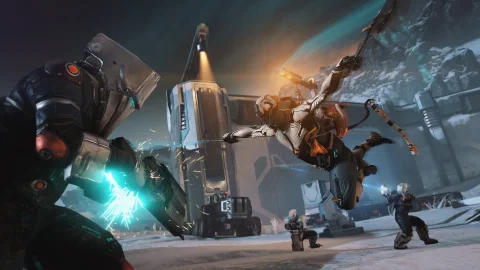 The Game Nobody Wanted: How Digital Extremes Made Warframe
Publishers passed, a third of the studio was gone, and Digital Extremes bet everything on a free sci-fi game. How they made it.
The Game Nobody Wanted: How Digital Extremes Made Warframe
Publishers passed, a third of the studio was gone, and Digital Extremes bet everything on a free sci-fi game. How they made it.
 One Month, One Game: How to Make Your First Game in 30 Days
Pick a tool, shrink the idea, and ship something a stranger can play by day 30. Engines compared.
One Month, One Game: How to Make Your First Game in 30 Days
Pick a tool, shrink the idea, and ship something a stranger can play by day 30. Engines compared.
 Small Server, Big Start: Learn Game Dev With Mods and Community Servers
Counter-Strike, DotA and DayZ all began as mods. Here's how to learn on someone else's game, the right way.
Small Server, Big Start: Learn Game Dev With Mods and Community Servers
Counter-Strike, DotA and DayZ all began as mods. Here's how to learn on someone else's game, the right way.
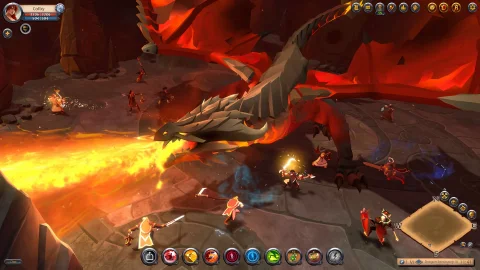 Fair Game: Designing F2P Monetization Players Don't Hate
On F2PMMO, fairness is a quarter of a game's score. Here's what players reward, and how the best MMOs let free players earn their way.
Mind the Coin Purse: How to Make Money Making Games in 2026
Store cuts, creator payouts, grants, funds and publishers, with the real numbers as of September 30, 2026.
Fair Game: Designing F2P Monetization Players Don't Hate
On F2PMMO, fairness is a quarter of a game's score. Here's what players reward, and how the best MMOs let free players earn their way.
Mind the Coin Purse: How to Make Money Making Games in 2026
Store cuts, creator payouts, grants, funds and publishers, with the real numbers as of September 30, 2026.
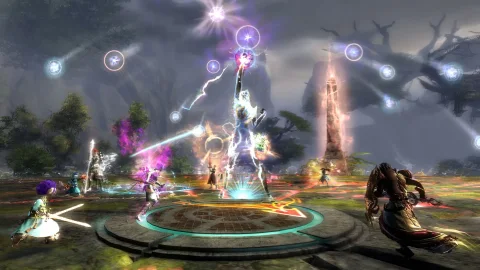 Who Builds Your MMO: Game Design Jobs, Explained
Systems, levels, quests, economies and live events. What each design job really is, and the first thing to make for it.
Who Builds Your MMO: Game Design Jobs, Explained
Systems, levels, quests, economies and live events. What each design job really is, and the first thing to make for it.
 Press Start: How to Get Into Game Design Without a Degree
Finish small things, show your work, and walk through the doors people actually use.
Press Start: How to Get Into Game Design Without a Degree
Finish small things, show your work, and walk through the doors people actually use.
Building Fragments of Chaos in public
Our own MMO, in development. Devlogs, breakdowns and news from the team as it's built. Game page →


Made by members
Works in progress, renders, devlogs and timelapses from people learning here.



New opportunities
All →Nothing posted yet. Post the first one.
Funding and programs
All →- OuterslothInvestment fund · Open all year; replies can take a while
- UK Games Fund: Prototype FundGrant · Expressions of interest are paused and reopening soon
- Raw Fury (publisher)Publisher · Pitches accepted all year through their form
- Steam Next FestShowcase · Next fest: Feb 22 to Mar 1, 2027 (October 2026's runs Oct 19 to 26)
Open to collaborate
All →Be the first: turn on Open to collaborate in your profile's Portfolio.