F2PMMO News Game Dev
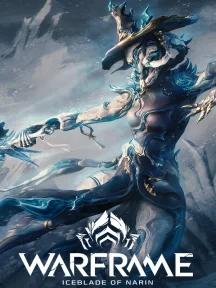
The Game Nobody Wanted: How Digital Extremes Made Warframe
Publishers passed, a third of the studio was gone, and Digital Extremes bet everything on a free sci-fi game. How they made it.
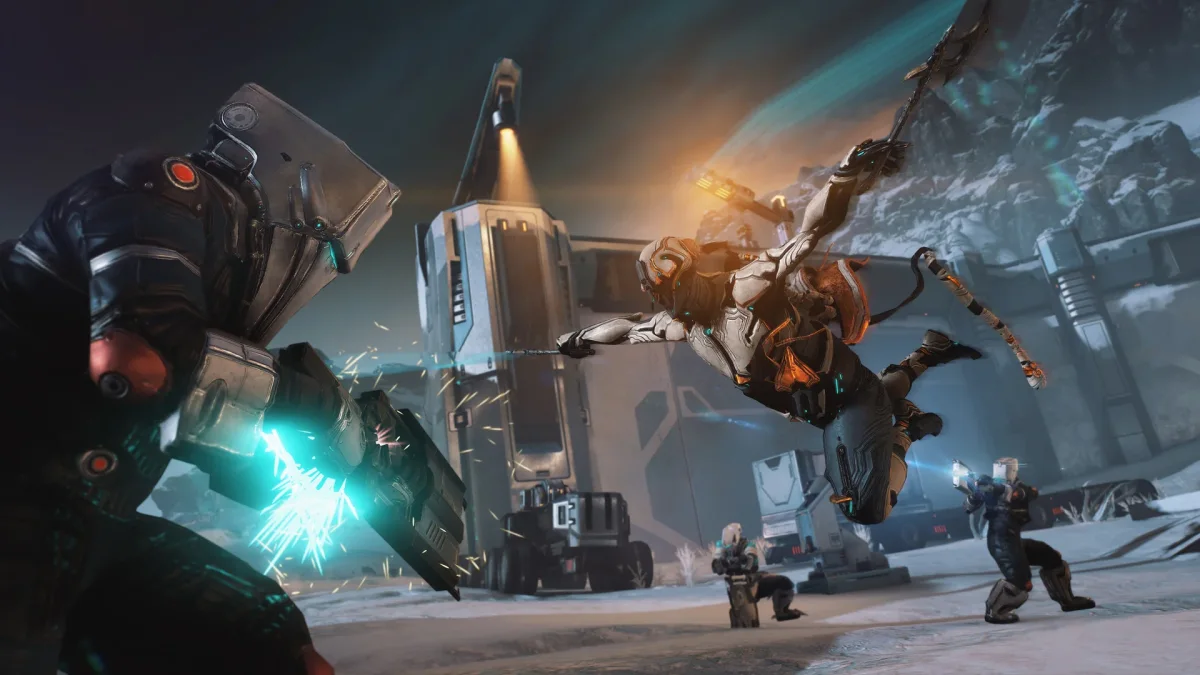
Gather round, Tenno. This one starts with an empty room.
When we checked Steam on the night of September 30, 52,657 people were playing Warframe. It's one of the biggest free-to-play games on our Best F2P MMOs list.
It almost never existed.
Who were they before Warframe?
Digital Extremes, from London, Ontario, had real pedigree: it co-developed the original Unreal Tournament with Epic.
For years it also made games for other publishers, including licensed ones such as The Darkness II and Star Trek. And it pitched its own ideas. One of them, a sci-fi action game, became Dark Sector in 2008, but only after publishers pushed it into a modern-day setting. Sci-fi, they said, was dead.
How bad did it get?
Around 2010, the market for mid-sized studios collapsed. Digital Extremes laid off about a third of its staff.
Speaking to PC Gamer years later, CEO Sheldon Carter put it plainly: "we were really in trouble and this was our last shot."
Why go free to play?
The team went back to that sci-fi idea, the one publishers had turned down, and shopped it around the world. Nobody bit.
So Digital Extremes published Warframe itself, first in a closed beta in 2012 and then an open one. Free to play was a gamble back then, and self-publishing meant there was no one to share the risk.
It also meant no one to share the money with. Every dollar the game made went back into the game and the studio.
What kept it alive?
Listening. Warframe grew in public. The team streamed its plans, read the forums and kept shipping updates, year after year.
Trust in the economy. Platinum, the premium currency, moves between players in trades. Free players can earn it by selling what they find, so paying players fund free players' time instead of buying wins.
Growing its own people. Rebecca Ford started at the studio as an intern and became Warframe's creative director.
What can you take from it?
- An idea can wait. The rejected sci-fi pitch became the game that saved the studio.
- Own your relationship with players. Self-publishing was scary, and it gave the team the freedom to change course fast.
- Fair monetization is a feature. Players stay for years when they don't feel squeezed.
- Ship, then keep shipping. A beta is a beginning, not a finish line.